Bullying is a pervasive issue affecting children worldwide. According to the National Center for Education Statistics,
about 20% of students aged 12-18 experience bullying during the school year
. Addressing this issue requires innovative strategies that can reach children on a deeper emotional level. One such approach is the use of
storytelling
, which has long been a tool for teaching and
[emotional development](https://woodenhousebooks.com/book/emotional-intelligence-for-kids-workbook/)
. Storytelling can play a crucial role in helping children understand, process, and combat bullying.
The Power of Storytelling
Storytelling
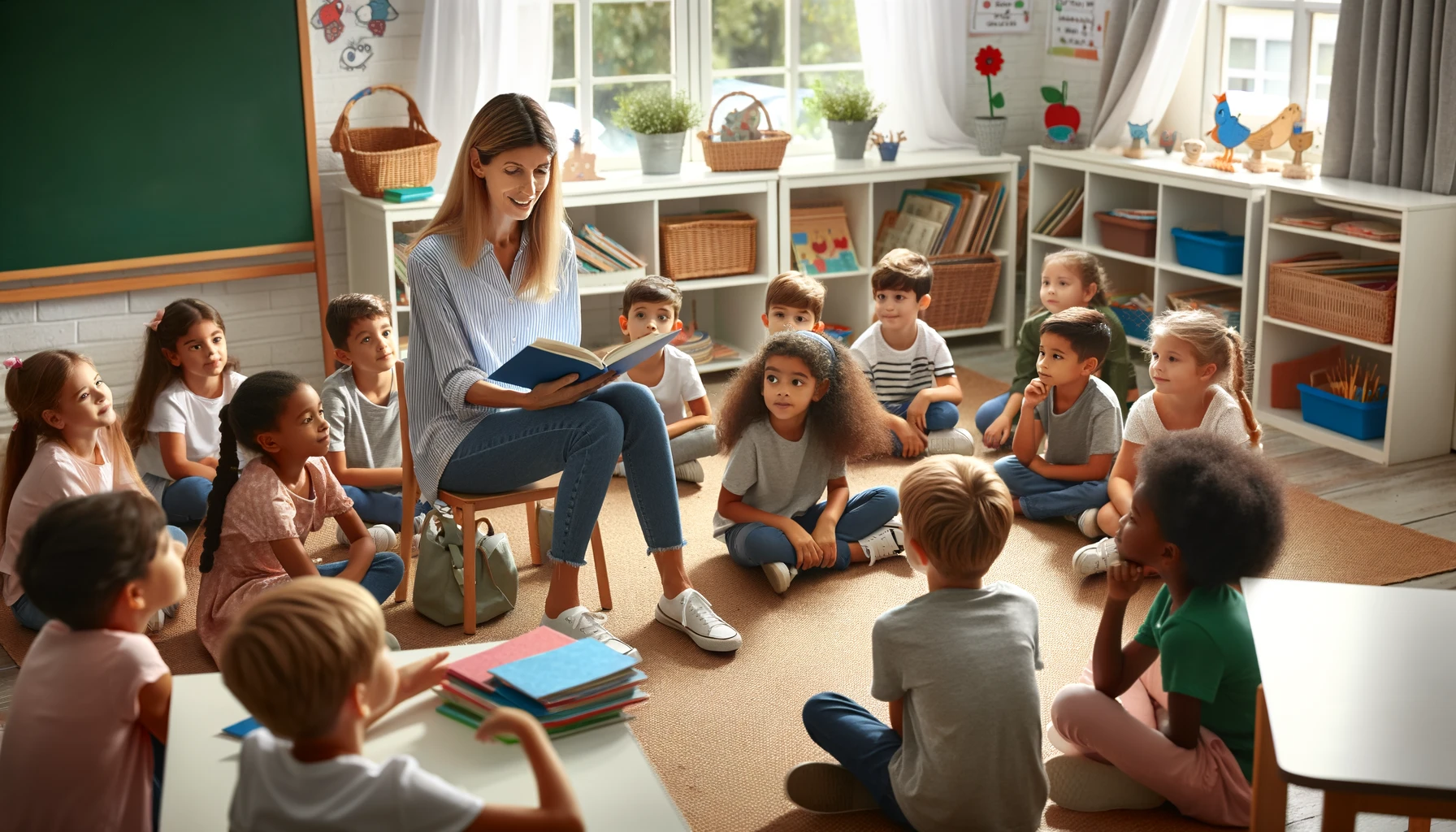
is a powerful method to convey messages and lessons. Stories have the unique ability to captivate the imagination, making complex ideas more accessible and memorable. Through characters and narratives, children can learn about
**empathy, kindness, and the consequences of harmful behaviors.**
Research has shown that stories can influence behavior and promote emotional intelligence. When children see characters navigating challenges, such as bullying, they can relate to these experiences and learn valuable
coping strategies
. Stories provide a safe space for children to explore difficult topics and emotions, fostering a deeper understanding of themselves and others.
Storytelling as a Tool Against Bullying
Storytelling can be a potent tool in the
fight against bullying
. By integrating stories that address bullying, children can better understand the impact of their actions and develop empathy for those who are bullied. For instance, a story about a child who overcomes bullying with the help of friends can illustrate the importance of standing up against bullies and supporting peers. Real-life examples highlight the effectiveness of storytelling in reducing bullying. In some schools, programs that incorporate storytelling as part of their
anti-bullying curriculum
have seen a significant decrease in bullying incidents. These programs often include stories that showcase positive behaviors, such as
and respect, helping to create a more supportive school environment. In addition to preventing bullying, storytelling can also aid in healing. Children who have been bullied can find solace in stories where characters face and overcome similar challenges. This can help them feel less isolated and more empowered to seek help and support.
Recommendations for Parents and Educators
Parents and educators can play a vital role in incorporating storytelling into anti-bullying efforts. Here are some practical tips:
- Choose Appropriate Stories: Select stories that are age-appropriate and address themes of kindness, empathy, and resilience. Look for books or stories that specifically deal with bullying and its effects.
- Create an Engaging Environment: Make storytelling sessions interactive. Encourage children to ask questions, express their thoughts, and relate the story to their own experiences. This can help deepen their understanding and connection to the material.
- Use Storytelling Regularly: Incorporate storytelling into daily or weekly routines. Consistent exposure to positive messages through stories can reinforce the values you want to instill.
- Encourage Creative Expression: Allow children to create their own stories about dealing with bullying. This can be through writing, drawing, or even role-playing. Creative expression can help children process their emotions and develop problem-solving skills.
For more detailed strategies, you can refer to our article on
[Anti-Bullying Strategies and Slogans to Make a Difference](/blog/anti-bullying-strategies-and-slogans-to-make-a-difference).
Recommended Book: "The Kids’ Book of Anti-Bullying"
For those seeking a comprehensive resource on bullying prevention, we recommend "The Kids’ Book of Anti-Bullying." This book provides a thorough guide to helping children understand and combat bullying. It covers a wide range of topics, including strategies for dealing with bullies and fostering a positive school environment, making it an excellent tool for parents and educators. You can find more about this book and purchase it
.
Related Articles
Storytelling is a compelling and
effective tool in combating bullying
among children. By using stories, we can help children understand the impact of bullying, develop empathy, and learn valuable
coping strategies
. Incorporating storytelling into anti-bullying efforts can create a more supportive and inclusive environment for all children. Let us harness the power of stories to build a kinder and more empathetic world for our children. Understanding the nuances of bullying is crucial for effective
prevention
. To learn more about the different forms of bullying and how to identify signs that a child may be being bullied, read our article on
[What's Bullying and How to Spot It](/blog/whats-bullying-and-how-to-spot-it).
External References
To support the effectiveness of storytelling in education and bullying prevention, consider these prestigious references:
- **American Psychological Association (APA)**: The APA highlights the benefits of storytelling in building emotional resilience and empathy among children. Stories can be a powerful tool in teaching social skills and emotional intelligence.
- **Harvard Graduate School of Education**: Research from Harvard emphasizes the role of narrative in cognitive and emotional development. Storytelling can enhance children's understanding of complex social dynamics and foster a more inclusive school environment.