Stories about the stories.
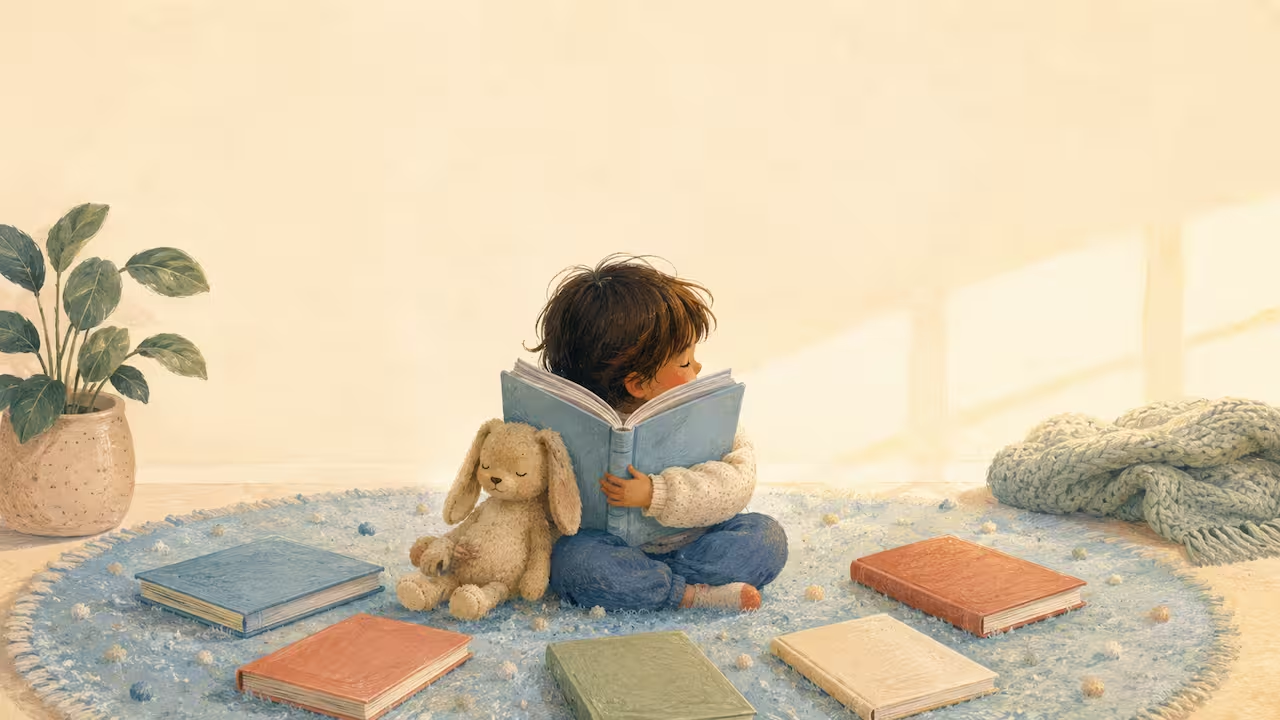
10 Picture Books About Anxiety for Kids (Ages 4–8)
A curated read-aloud list for kids ages 4–8 who worry. Bedtime classics, counselor staples, and three Wooden House titles, with honest notes on each.
Read the full post →
What Is Social Emotional Learning (SEL) for Kids? Understanding the Importance of SEL in Child Development
What social-emotional learning actually is, why kids need it, and how parents and teachers can build it into ordinary days at home and in the classroom.

10 Great Ways To Teach Children Kindness
Ten low-key ways to raise a kinder kid, drawn from family routines and classroom rituals that actually move the needle on how children treat each other.

What is Social and Emotional Learning (SEL)?
A plain-English guide to social and emotional learning: what the five SEL competencies look like at the kitchen table and the classroom rug.

How Do You Teach Kids Emotional Intelligence?
Practical ways to build a child's emotional intelligence at home, from emotion coaching at the dinner table to modeling repair after a tough morning.

Free SEL worksheets
A small set of free SEL worksheets for ages 4-9: feelings charts, friendship prompts, and calm-down printables you can print and use this morning.

Beyond the Lines – Mindful Coloring for Kids (and Adults!)
Why coloring works as a calm-down practice for kids (and the adults reading aloud beside them), and how to use it without turning it into one more task.

What's Bullying and How to Spot it
How to tell peer conflict from bullying, the early signs in a child's body and behavior, and what to do the day something first feels off.

Children's Books about Bullying
Picture books that name bullying without flattening it — read-alouds for ages 4-8 you can use at home, in a classroom circle, or in a counselor's office.

71 Anti-Bullying Slogans for School, Posters and Online
71 anti-bullying slogans written or adapted for this page, grouped by use, format and age: school, posters, rhymes, cyberbullying, humor and kids 4 to 12. Plus how to make them stick.

Anti-Bullying Books for Elementary Students
Anti-bullying picture books for elementary students that earn their classroom shelf space — honest, age-aware, and useful in a Tuesday morning meeting.

Self-Esteem Workbooks: Boost Your Child's Confidence
How a self-esteem workbook can help a child notice what they like about themselves — and how to use one without turning it into homework.

The Best Children's Book About Friendship: Helping Kids Make and Solve Problems with Friends
Children's books about friendship that handle the messy parts honestly — making friends, sharing, the apology that takes ten minutes longer than expected.

Using Divorce Books for Kids During Family Transitions
How a picture book about divorce can give a child language for what is happening at home — and the right moments to read it (and the wrong ones).

How Anti-Bullying Books Empower Kids
What changes when a child reads an anti-bullying book before they need it — vocabulary, body language, the courage to tell a grown-up.
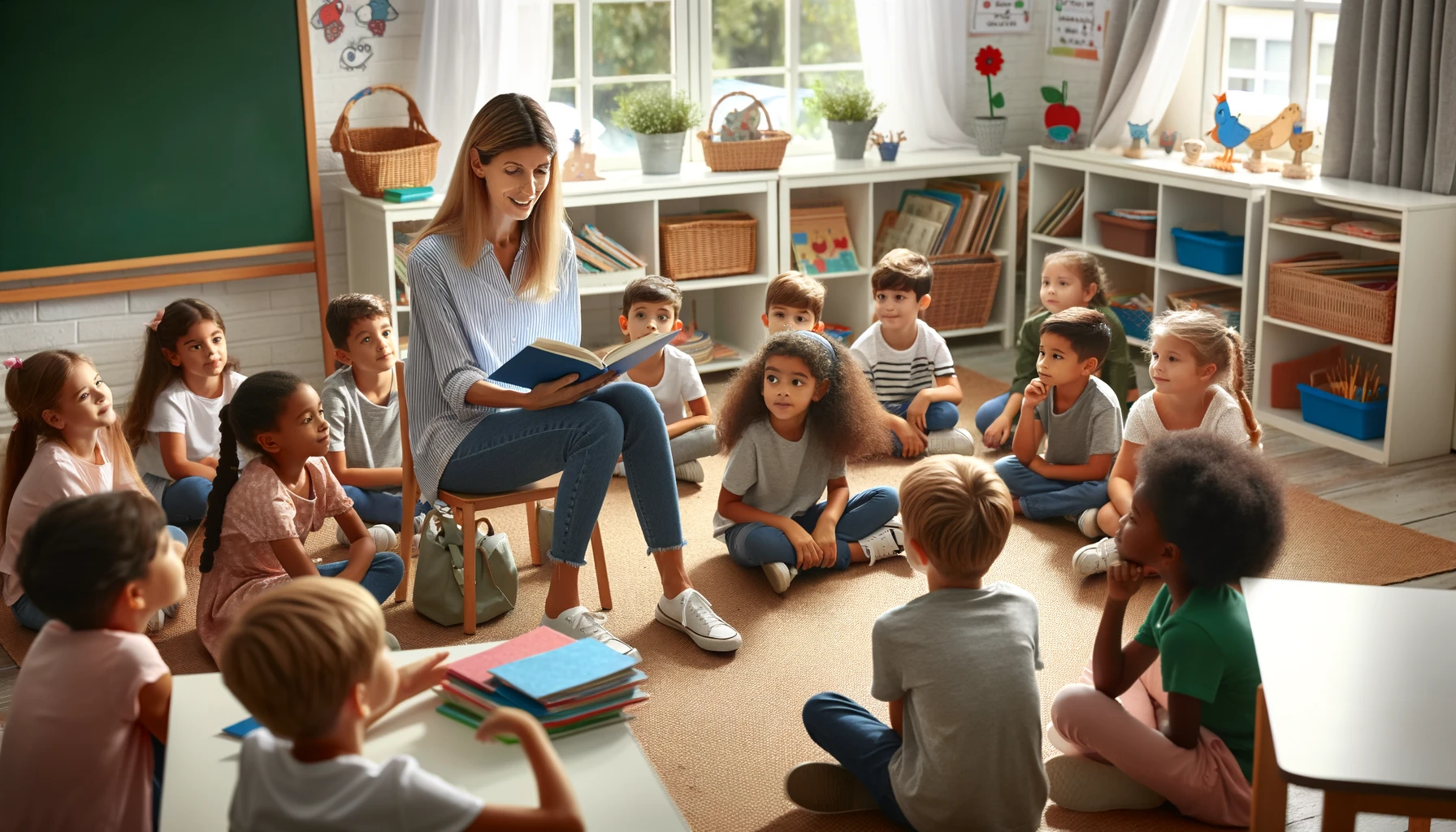
The Role of Storytelling in Combating Bullying Among Children
How a story does what a lecture can't: gives a child a borrowed body for studying bullying from a safe distance, then a script for the next time it happens.

10 Benefits of Social Emotional Learning Books
Ten ways social-emotional learning books shape a child — from naming feelings before the meltdown to building the social muscles a school year actually needs.

10 Benefits of Speaking More Than One Language: The Power of Bilingual Books
Ten reasons raising a bilingual reader pays off, plus how side-by-side picture books make Spanish-English feel like one story your child is already inside.

How Kids' Books About Divorce Help Children Cope with Separation
Why a small book matters at a big moment: how children's books about divorce help kids name what they feel and trust the adults reading beside them.

Parents' Guide to Discussing Bullying with Children
A parent's guide to talking about bullying without scaring your child — what to ask, how to listen, and what to do the moment something feels off.

Creating an Anti-Bullying Campaign: Step-by-Step Guide
A step-by-step guide for parents and educators planning an anti-bullying campaign at school — from a kickoff assembly to the quieter follow-through.

Educational Activities to Promote Anti-Bullying Awareness
Classroom and home activities that teach anti-bullying awareness without lecturing — read-alouds, role-plays, slogan-making, and journaling for ages 4-10.
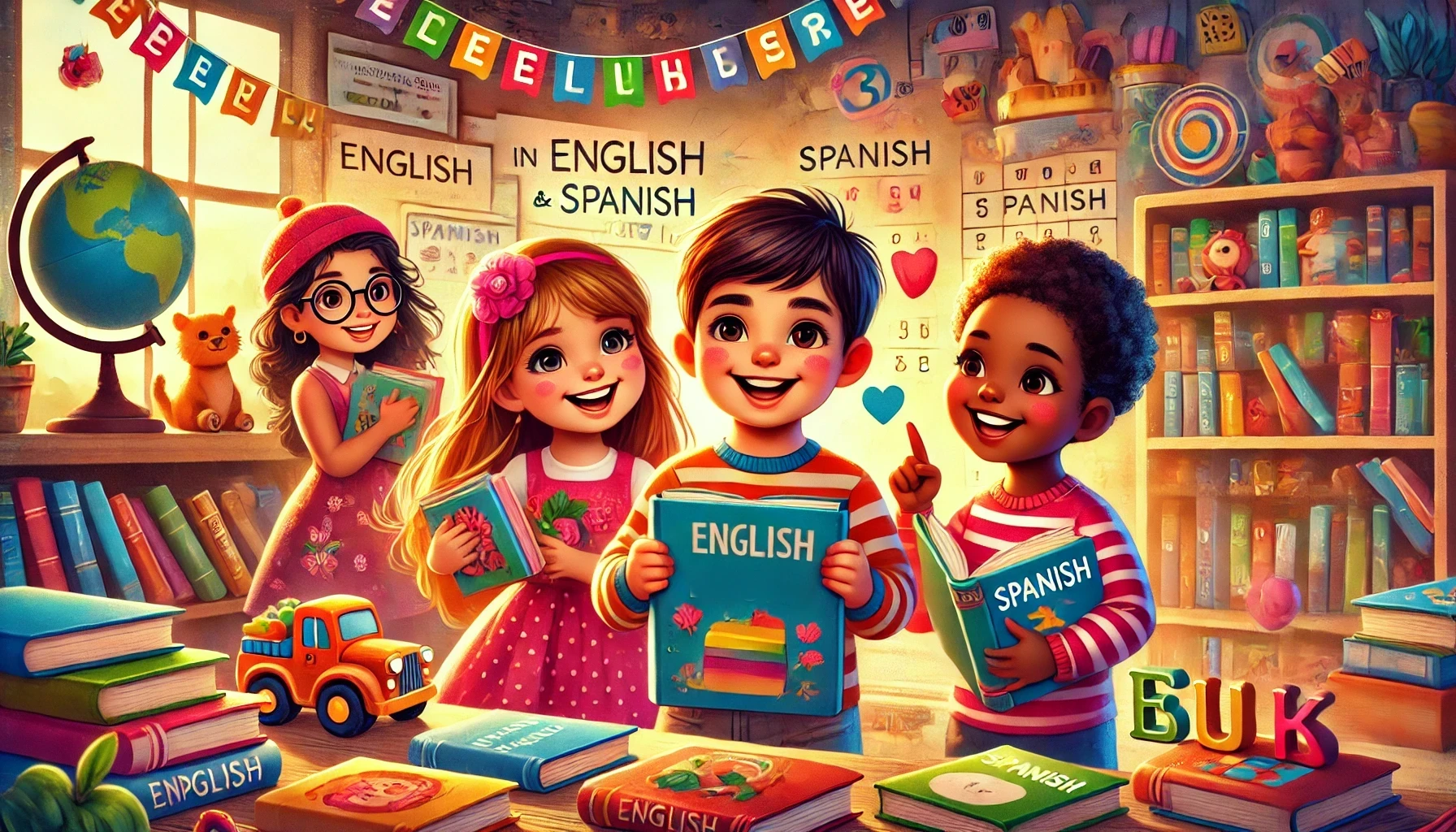
How Bilingual Books Aid Language Development in Children
How bilingual Spanish-English picture books support language development in kids ages 4-10 — what the research shows and how to read one at home.

Best Grief Books for Kids: Helping Children Navigate Loss
Five picture books about grief and loss that meet a child where they are — for the bedtime after the funeral, the week after a pet dies, the long after.

Emotional Literacy Books for Kids
Picture books for kids ages 3 to 7 by age, then our two workbooks for ages 6 to 9 and one book for parents, with tips for home and the classroom.